
 02-Mar--2026
What is the difference between a mask or respirator?
Both masks and respirators can support your efforts to stay healthy. Which is best for your situation? Read more to learn about the types of protection available.
Masks
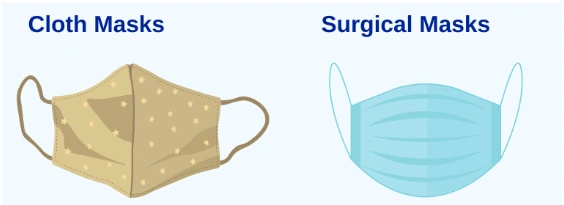
Masks are loose-fitting coverings for your nose and mouth. They attach using ear loops and have gaps around your face. Particles can travel through these gaps and enter your nose or mouth. When you wear a mask, you can protect others because they are less likely to breathe in your germs. Masks offer the least protection to the wearer. Examples of masks are surgical and cloth masks.
Respirators
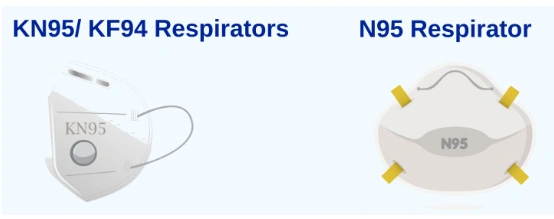
Respirators are coverings for the nose and mouth that fit more tightly around the face. They attach using ear loops or head straps. Respirators offer much more protection than masks. They filter particles like smoke, mold, dust and germs from the air you breathe. It can also limit the spread of germs to those around you when you are sick. Examples of respirators are N95, KF94 and KN95 respirators.
When and Why to Wear a Mask or Respirator
What is the difference between a mask or respirator?
Both masks and respirators can support your efforts to stay healthy. Which is best for your situation? Read more to learn about the types of protection available.
Masks
Masks are loose-fitting coverings for your nose and mouth. They attach using ear loops and have gaps around your face. Particles can travel through these gaps and enter your nose or mouth. When you wear a mask, you can protect others because they are less likely to breathe in your germs. Masks offer the least protection to the wearer. Examples of masks are surgical and cloth masks.
Picture of a cloth mask and a surgical mask
Respirators
Respirators are coverings for the nose and mouth that fit more tightly around the face. They attach using ear loops or head straps. Respirators offer much more protection than masks. They filter particles like smoke, mold, dust and germs from the air you breathe. It can also limit the spread of germs to those around you when you are sick. Examples of respirators are N95, KF94 and KN95 respirators.
Picture of KN95 and KF94 and N95 respirators
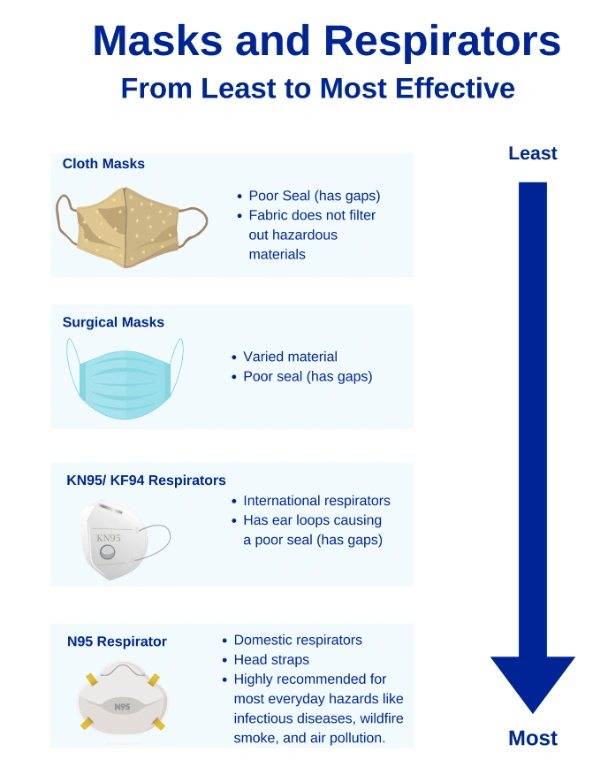
Graphic showing least to most effective face coverings. Least effective is cloth or surgical masks, then respirators.
When to Wear a Mask or Respirator
Protection Against Respiratory Viruses
Wear a N95 or KN95 respirator for the most protection against respiratory viruses. Examples of respiratory virus infections are COVID-19, influenza, and respiratory syncytial virus (RSV).
If you test positive for a respiratory virus, masking is recommended. See Preventing Spread of Respiratory Viruses When You're Sick for more details.
If you think you were exposed and will be around someone who is high risk, consider wearing a respirator.
If you are at high-risk of becoming severely ill, consider wearing a respirator. For example, when you are in an indoor public setting with poor ventilation. Or when you are traveling on public transportation.
People who are at high risk for severe respiratory infections include:
Older adults, especially those 65 and older
People with certain chronic or medical conditions such as a heart disease or cancer
People with weakened immune systems
People who are pregnant or were recently pregnant
People with disabilities
People who are in a skilled nursing facility and other long term care facilities
Children younger than 5 years, especially infants younger than 6 months
Protection Against Harmful Environmental Exposures
Wildfire Smoke
When it’s smoky outside, the best way to prevent smoke inhalation is to stay indoors. For people who must go outside in areas with smoke or ash, they should wear a respirator, such as an N95. Respirators are capable of filtering the harmful particles that can cause breathing problems.
Mold
Mold is part of the outdoor environment. It becomes a problem when it grows indoors because water or moisture are present. Mold can link to health conditions such as asthma and respiratory infections. Mold in homes can come from a plumbing leak or poor air ventilation. It can also come from heavy rain and flooding. These events can cause water damage in homes and allow mold to grow. If you are unsure if mold is in your home, visit the CDPH Mold page to learn more. Wear a N95 respirator to protect yourself from breathing in mold after a flooding event. Learn more at CDC What You Can Do to Protect Your Respiratory Health During Disaster Clean up.
Valley Fever
In certain areas of California, the fungus that causes Valley fever grows in the soil and may be in outdoor dust. When working or spending time outdoors in these dusty areas, wear a N95 respirator. Use a respirator to protect you from breathing in dust and fungal spores that can cause Valley fever. Learn more at Valley Fever Prevention and at Valley Fever Safety in the Workplace.
