
 28-Feb--2026
Although Japan lifted its nationwide mask recommendation in 2023, recent developments suggest that disposable masks remain an important part of public health behavior, particularly during the winter respiratory season.
According to recent academic findings in Japan, individuals who previously experienced COVID-19 infection are significantly more likely to continue wearing masks. Researchers note that this behavior is linked not to fear, but to increased awareness of asymptomatic transmission risks.
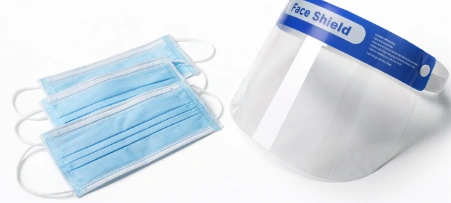
While mask-wearing is now a personal choice in Japan, health authorities continue to recommend the use of disposable face masks in specific situations, including:
Healthcare facilities
Crowded public transportation
Indoor environments with limited ventilation
When experiencing respiratory symptoms
This ongoing voluntary use has sustained steady demand for disposable masks, especially during influenza and seasonal virus surges.
Professional Use of Disposable Face Shields
Unlike face masks, disposable face shields are not widely discussed in public policy updates. However, they continue to play an important role in professional and medical environments.
In hospitals, clinics, and high-exposure workplaces, face shields are commonly used in combination with medical masks or respirators to provide additional protection against droplets and splashes, particularly to protect the eyes and facial area.
Health experts emphasize that face shields are intended as supplementary protective equipment and should not replace certified medical masks.
Outlook
Japan’s current approach reflects a shift from mandate-driven compliance to risk-based personal decision-making. Disposable masks remain relevant in high-risk environments, and professional protective equipment such as face shields continues to be utilized in healthcare and occupational safety settings.
As respiratory illnesses remain seasonal realities, preventive protective products maintain their role within Japan’s public health ecosystem.
