

 12-Mar--2026
In modern healthcare environments, protecting medical staff and patients from infectious diseases remains a top priority. While face masks and respirators are widely recognized as essential personal protective equipment (PPE), disposable face shields continue to play an important supporting role in infection control.
Healthcare professionals frequently work in close contact with patients, which increases the risk of exposure to respiratory droplets, body fluids, and other potentially infectious materials. Disposable face shields provide an additional barrier that helps protect the entire facial area, including the eyes, nose, and mouth.
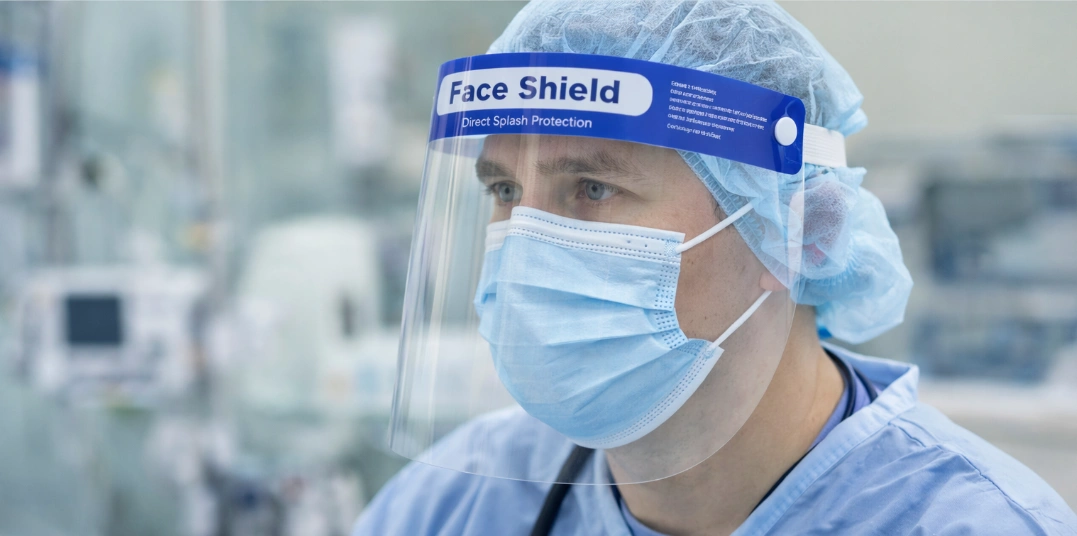
Additional Protection Against Droplets and Splashes
Unlike masks that primarily filter inhaled and exhaled air, face shields offer physical protection against droplets and splashes that may occur during medical procedures. This is particularly important in environments such as:
Emergency departments
Intensive care units (ICU)
Operating rooms
Diagnostic and laboratory facilities
In these settings, procedures like suctioning, intubation, or specimen collection can generate droplets or splashes that may reach healthcare workers.
Complementing Other PPE
Medical guidelines often recommend using face shields in combination with other protective equipment. When worn together with medical masks or respirators, face shields help create a more comprehensive layer of protection.
The transparent visor also prevents healthcare workers from unintentionally touching their face, which can reduce the risk of self-contamination during long shifts.
Comfort and Visibility
Disposable face shields are designed to provide clear visibility while maintaining comfort. Modern designs often include lightweight materials, anti-fog coatings, and soft foam headbands to ensure that healthcare workers can wear them for extended periods without discomfort.
This balance of comfort and protection makes face shields practical for daily use in many healthcare settings.
Supporting Infection Control Practices
Beyond personal protection, disposable face shields can also help support broader infection control strategies within hospitals and clinics. By reducing exposure to droplets and splashes, they contribute to safer working conditions for medical staff and help minimize the spread of infectious diseases within healthcare facilities.
Conclusion
Although they are typically used alongside masks and other protective equipment, disposable face shields remain a valuable component of PPE in healthcare environments. Their ability to provide full-face coverage, improve protection during high-risk procedures, and support infection control practices ensures that they continue to play an important role in modern medical safety.
