

 29-Jan--2026
Mask-wearing among the Indian public has shown a distinct regional divide, with no nationwide mask-buying spree recorded. A short-term partial uptick in demand has only been observed in the Nipah virus-affected areas of West Bengal and regions plagued by severe air pollution such as New Delhi, while the overall mask supply remains stable.
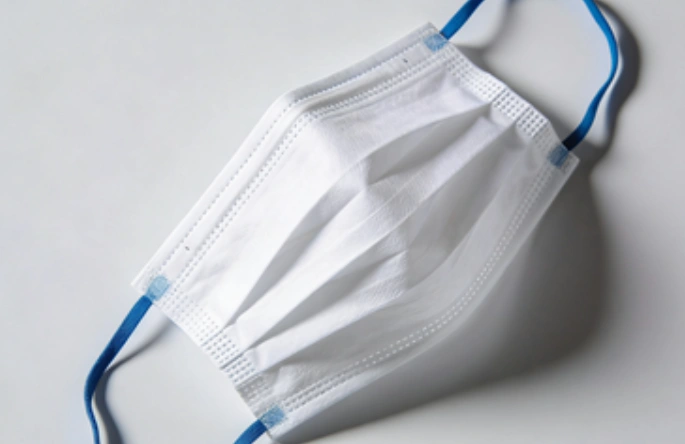
I. Public Mask-Wearing Status (By Scenario)
1.Affected Areas (West Bengal) : Medical staff adopt level 2 protection (N95 mask + face shield + protective gown); close contacts and residents near hospitals mostly wear medical or N95 masks; the mask-wearing rate in ordinary communities stands at around 30%-50%, based on voluntary protection with no mandatory requirements in place.
2.Heavily Polluted Areas (New Delhi and other regions) : Residents wear masks for smog protection when the Air Quality Index (AQI) exceeds 300; the mask-wearing rate hovers at about 40%-60% during the winter pollution season, with most people using ordinary protective masks rather than those dedicated to epidemic prevention.
3.Other Regions : The daily mask-wearing rate is low (below 10%), with no mandatory mask rules. Public awareness of epidemic prevention has diminished, and only a small number of people wear masks in such places as public transportation and hospitals.
4.Official Stance : There is no nationwide mask mandate. West Bengal only requires mask-wearing for medical staff and close contacts, leaving it to the voluntary compliance of the general public.
II. Mask Buying and Hoarding (Core Conclusion: No Nationwide Spree)
1.Stable overall supply : As a major mask-producing country, India has sufficient production capacity. Prices remain stable at pharmacies and on e-commerce platforms, with no stockouts or sharp price hikes, nor any queuing or panic buying.
2.Partial short-term fluctuations : Demand for N95 masks has surged at pharmacies near hospitals in West Bengal's virus-affected areas, leading to temporary out-of-stock issues at individual stores, which have since resumed normal supply after restocking. The seasonal growth in demand for ordinary protective masks in New Delhi during the pollution season is a regular market fluctuation, not a panic buying trend.
3.No panic hoarding : The Nipah virus outbreak is a small-scale local incident with only five confirmed cases, failing to trigger public panic or large-scale mask hoarding. Claims of a "nationwide mask rush" circulating on social media are mostly exaggerated or reposts of old news.
III. Key Causes and Risk Warnings
1.Causes of the regional divide : The localized nature of the epidemic (the Nipah virus outbreak is confined to West Bengal), post-COVID epidemic fatigue among the public, and divergent demand for masks between pollution-stricken areas and virus-affected regions have resulted in no nationwide driving factors for mass mask-wearing.
2.Risk warnings : The rising demand for N95 masks among medical staff in West Bengal calls for vigilance against potential partial supply shortages; the general public has insufficient awareness of the Nipah virus transmission routes, and mask-wearing can effectively reduce the risk of droplet and body fluid transmission of the virus.
IV. Summary and Recommendations
Status Quo : Mask-wearing presents a regional divide in India, with no nationwide panic buying. Only a short-term uptick in mask demand has occurred in virus-affected and heavily polluted areas, and the overall supply remains stable.
Personal Recommendations : For those traveling to West Bengal or New Delhi in the near term, it is advisable to bring your own N95 or medical masks. Such masks are also readily available at local pharmacies, so there is no need for advance large-scale hoarding.
